Start with the plant's rhythm.
Each recommendation begins with the plant's typical indoor watering pattern.
Plan smart. Grow happy.
Get a practical watering window for snake plants, pothos, and common indoor plants based on plant type, light, pot size, season, and room conditions.
No account needed. Takes under 30 seconds.
How it works
Each recommendation begins with the plant's typical indoor watering pattern.
Light, pot size, season, and room feel gently shift the check-in window.
The plan gives you a day range, then reminds you to confirm with the soil.
Watering logic
My Plant Planner estimates when to check an indoor plant again. It does not tell you to water automatically on a fixed day. The calculator combines plant type, light level, pot size, season, and room conditions to create a practical watering check window.
A snake plant, pothos, peace lily, and monstera do not dry down at the same pace. The planner starts with common indoor watering patterns for the selected plant.
Bright indirect light and longer growing-season days usually shorten the check window. Low light, cooler rooms, and fall or winter conditions usually lengthen it.
Pot size, material, drainage, and soil dryness matter more than a fixed calendar. The result is a check-in range, then a reminder to confirm the soil before watering.
Common plants
These examples are reminders to check, not automatic instructions to water.
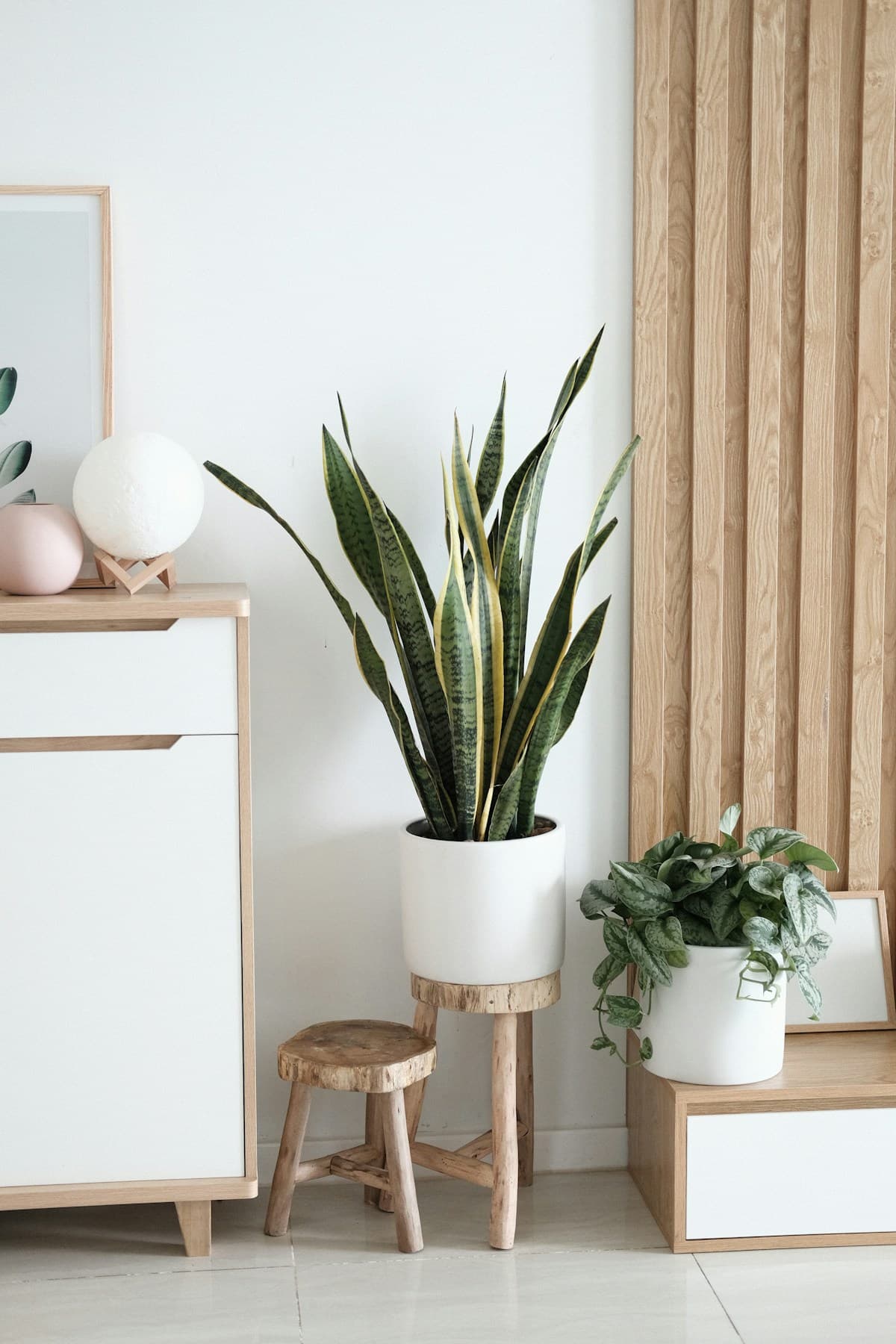
Check in 10-14 days
Let soil dry deeply.
Read the watering guide
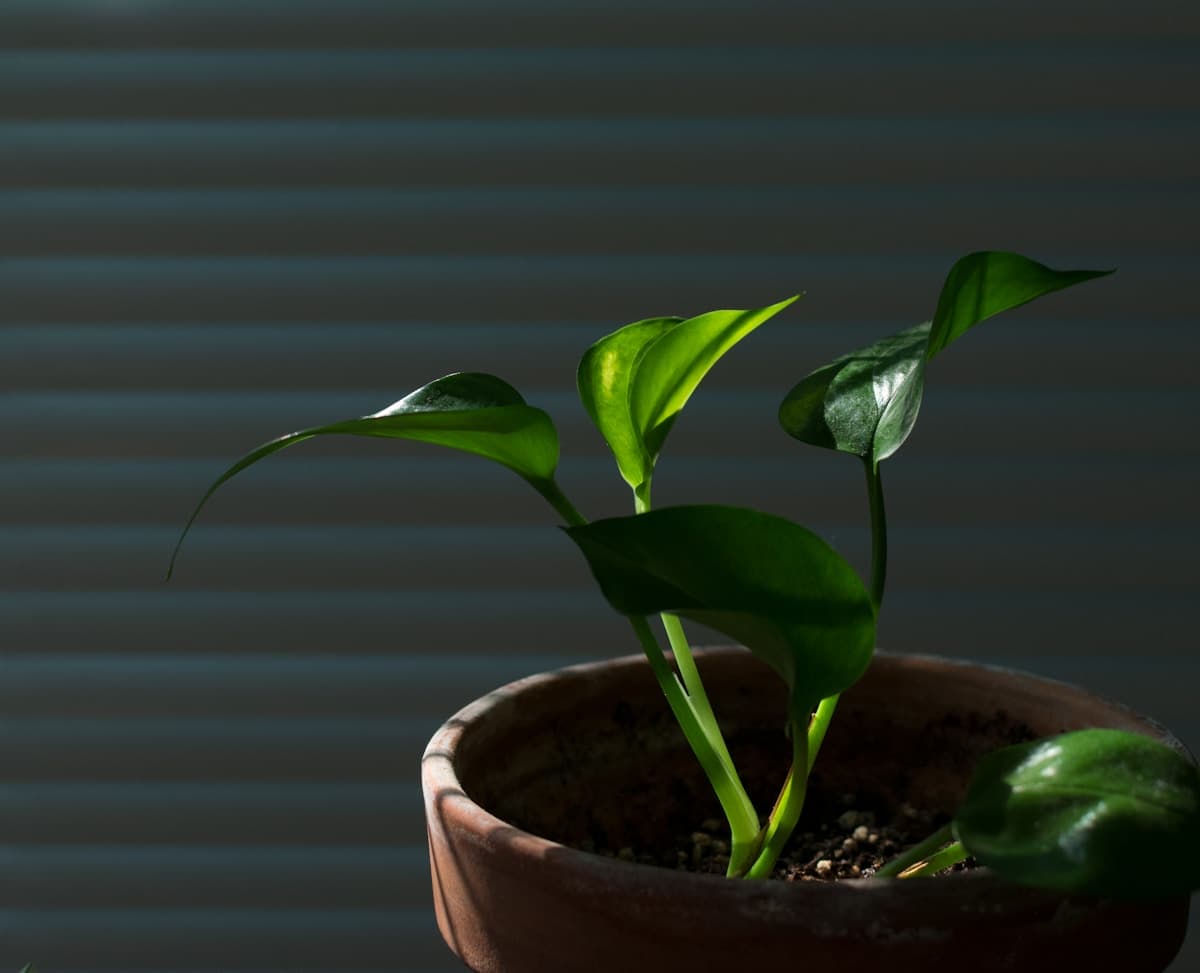
Check in 6-9 days
Check when top inch is dry.
Read the watering guide
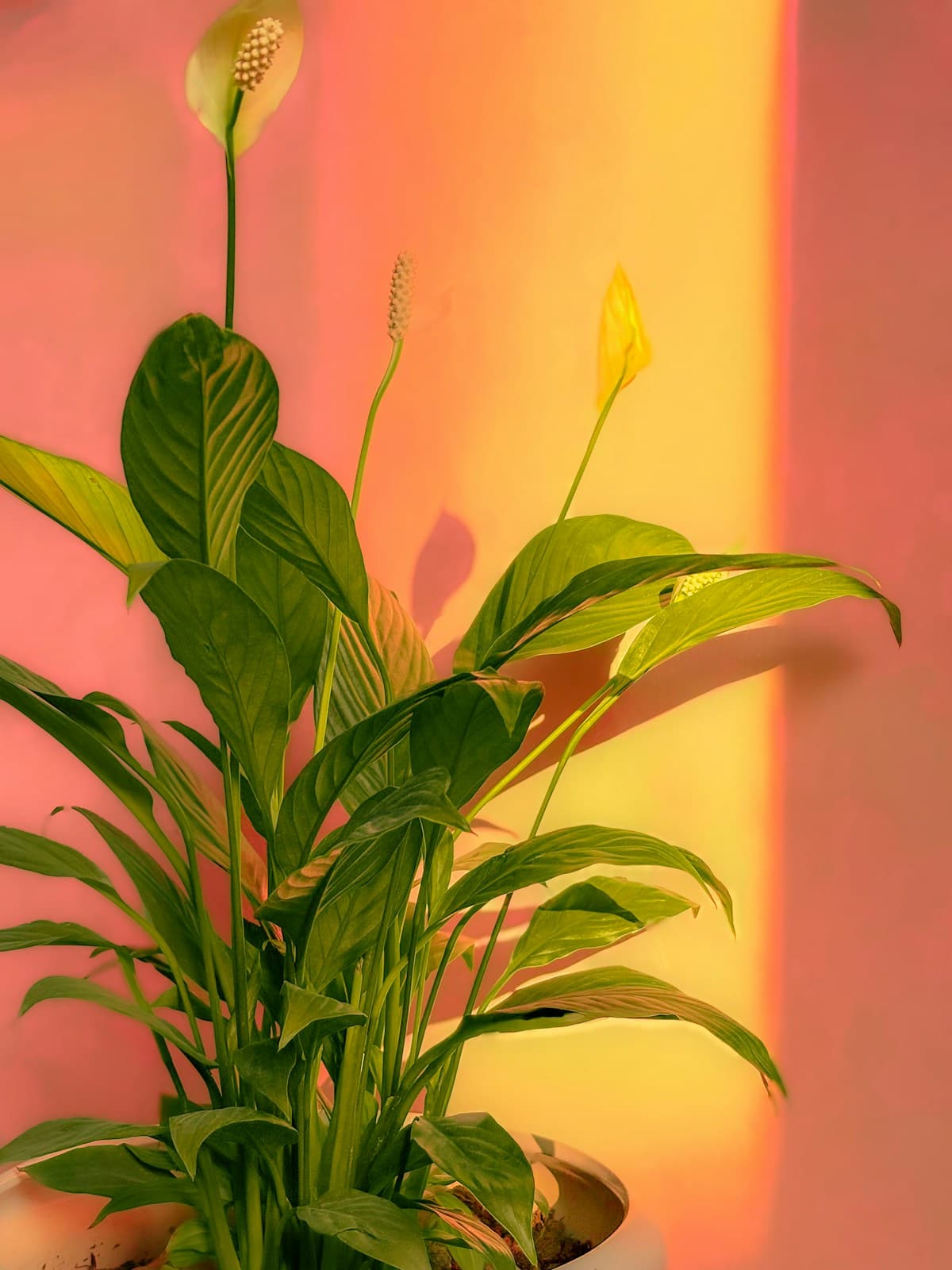
Check in 4-7 days
Watch for gentle droop.
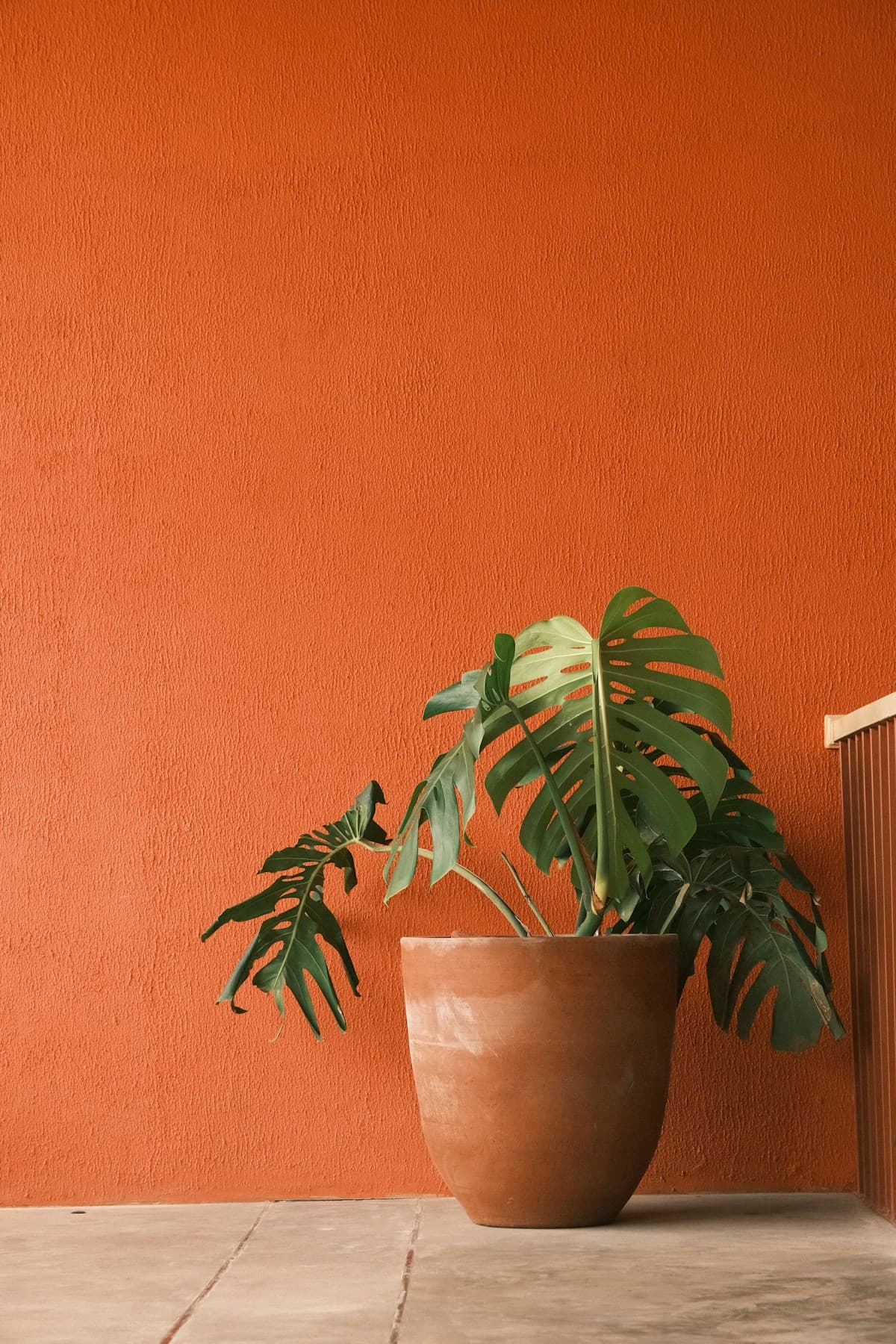
Check in 7-10 days
Prefers steady moisture.
Free guide
Get the free PDF guide for the moment when your plant looks off and you are not sure whether adding water will help. You’ll learn the soil, pot weight, drainage, light, and symptom checks to use before you pour.
Get the free guideWhat we may build next
My Plant Planner is testing whether multi-plant reminders are worth building. This helps us avoid building a bloated plant care app.
Small plant labels with the check window and soil cue for each pot.
A simple printable routine for spring/summer and fall/winter changes.
A lightweight way to track several plants without a dashboard.
If you’d use printable tags or a seasonal routine, leave your email after calculating a plan.
Vote for what you’d use
iOS app
Simple plant check reminders
Now on iPhone
The My Plant Planner iOS app is built for quick repeat checks: see what is due, confirm the soil cue, log Watered, Wait, or Skip, and leave with the next check date.
Premium ebook
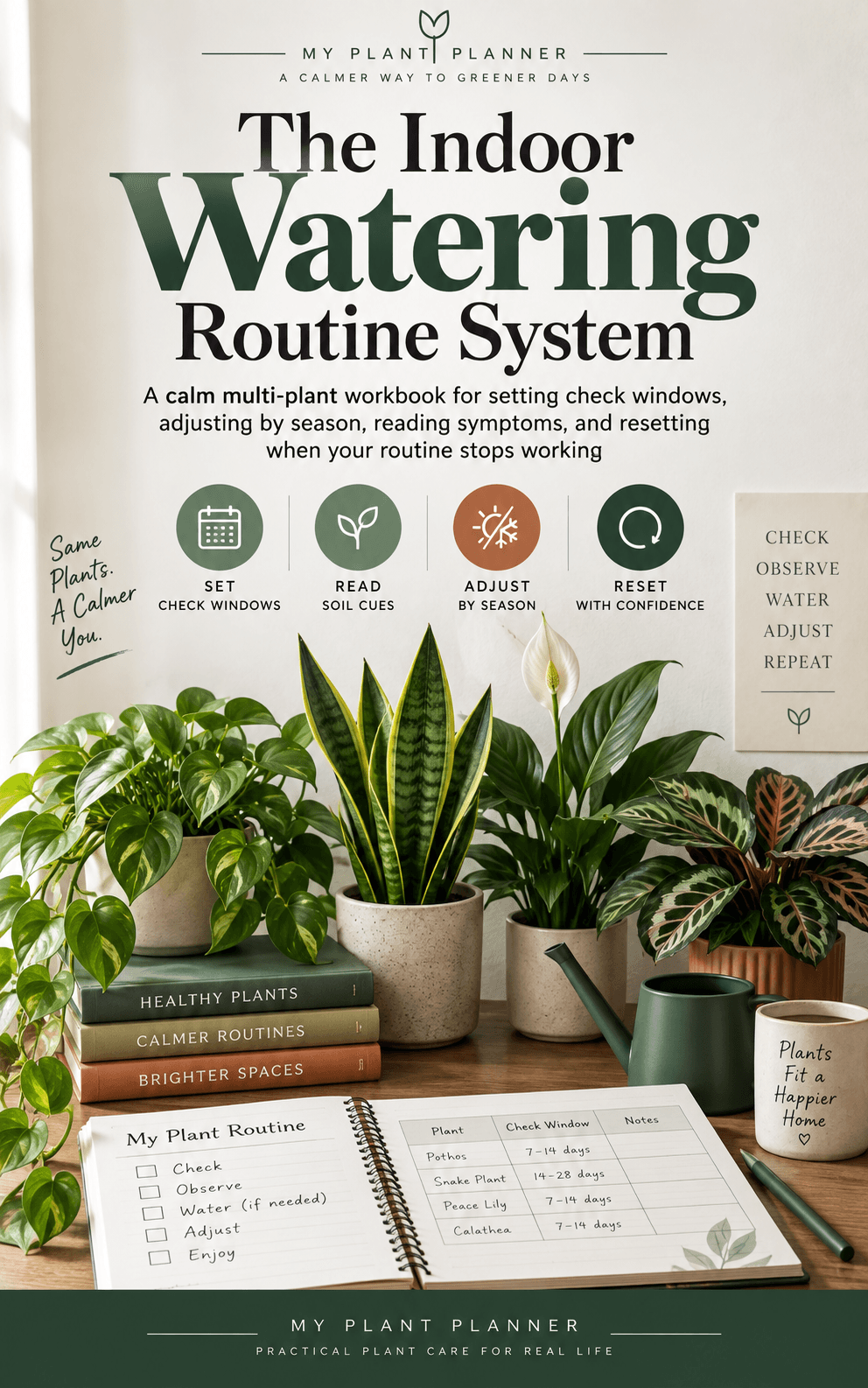
The Indoor Watering Routine System turns one-off water-or-wait decisions into a repeatable multi-plant routine with check windows, soil cues, seasonal adjustments, symptom decisions, and reset playbooks.
FAQ
These answers explain how My Plant Planner turns plant care inputs into a useful watering check window without replacing soil checks or your plant's actual condition.
My Plant Planner estimates when to check an indoor plant again for watering, including common plants like snake plants and pothos. It creates a practical check window based on the plant, light level, pot size, season, and room conditions.
No. The planner gives a check-in range, then reminds you to confirm the soil before watering. If the soil is still damp where the roots are, it is usually better to wait.
Plant type, light, pot size, drainage, season, temperature, humidity, and soil dryness can all change the right watering timing. Brighter light and small breathable pots often dry faster, while low light and larger pots often dry more slowly.
Snake plants usually need a much longer dry-down than pothos. Most indoor snake plants should be checked every few weeks, while pothos is often checked around every 7 to 10 days in average indoor conditions.
Soil dryness shows whether the root zone is ready for water. A fixed calendar can lead to overwatering when a plant is in low light, a cool room, a large pot, or a container with poor drainage.
Guides
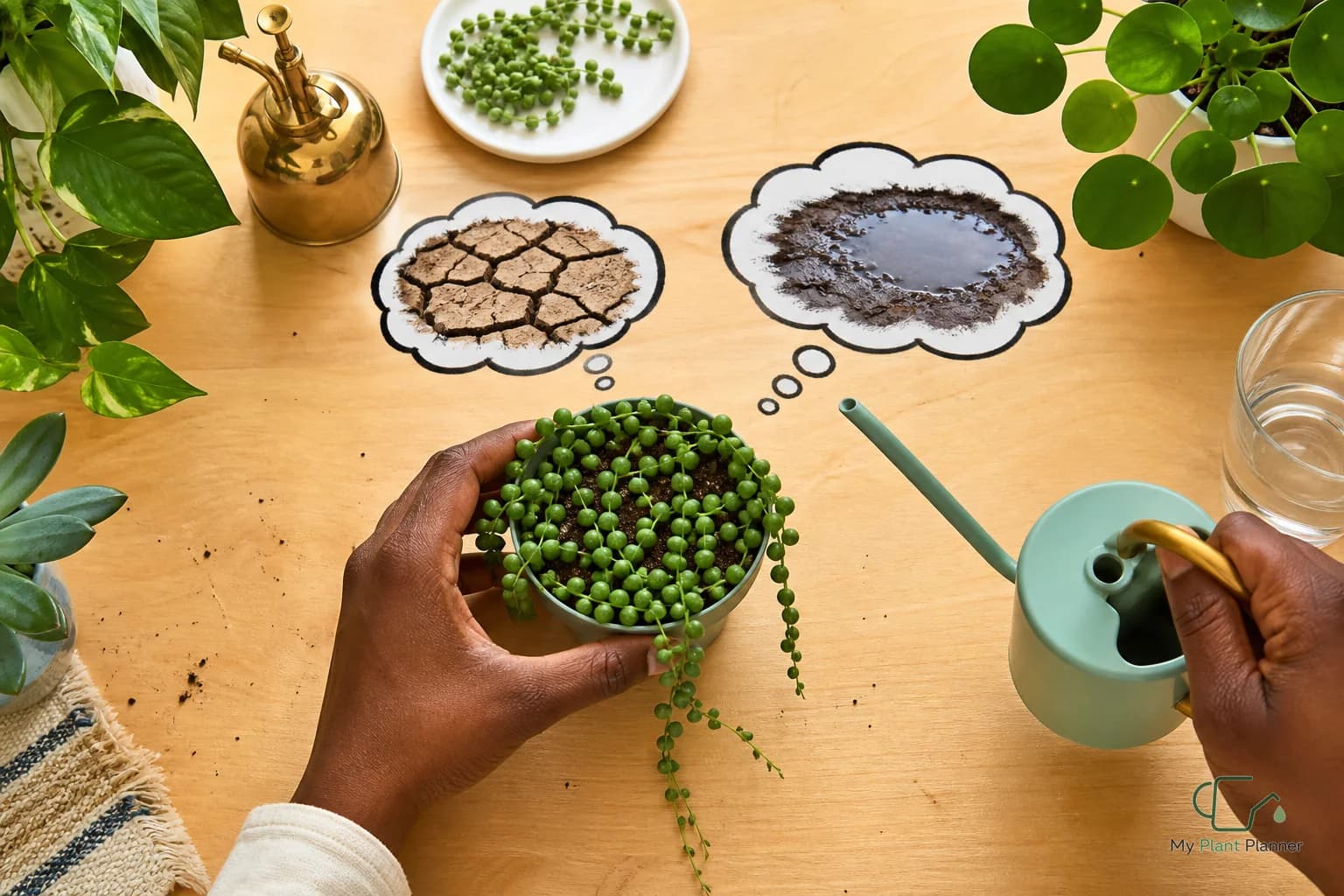
String of pearls needs a dry down between waterings. Use a check window, then confirm with soil depth, pot weight, light, and leaf texture before watering.
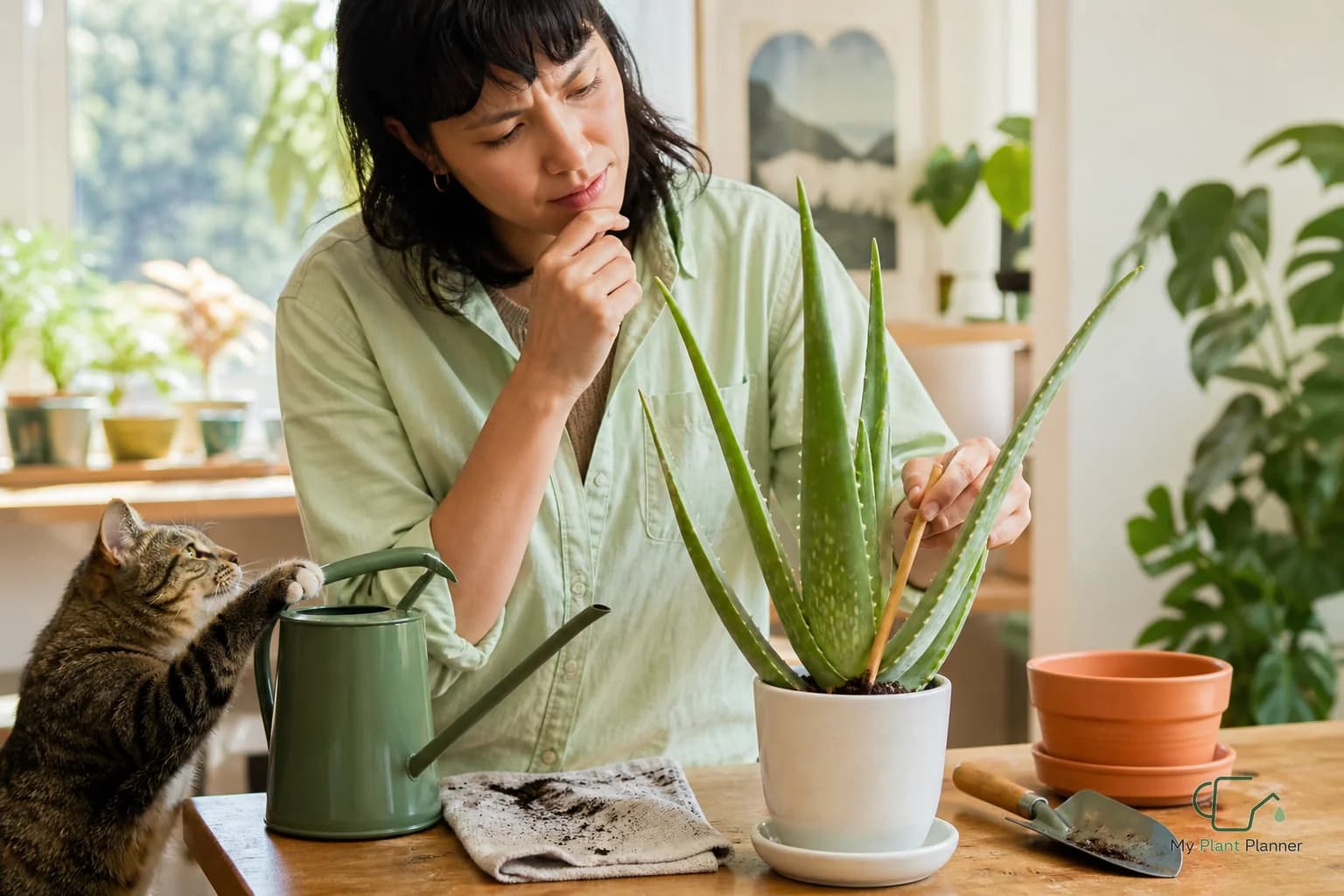
Indoor aloe vera usually needs a longer dry down than leafy houseplants. Use a check window, confirm the soil is dry deeper down, then adjust for light, pot size, season, and drainage.
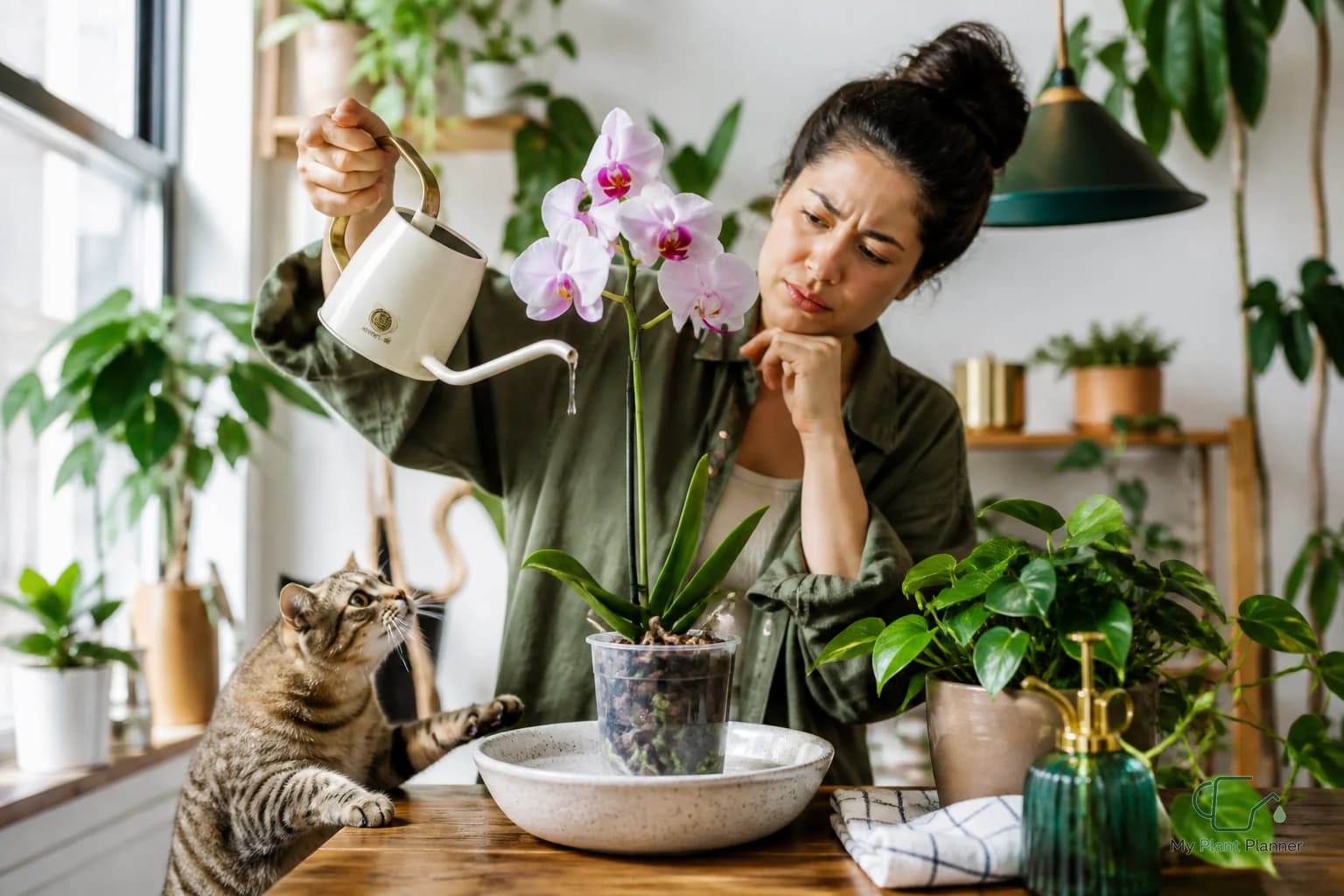
Indoor orchids do best with a watering check window, not a fixed weekly pour. Start by checking every 7 to 10 days, then adjust for roots, potting mix, light, season, and drainage.